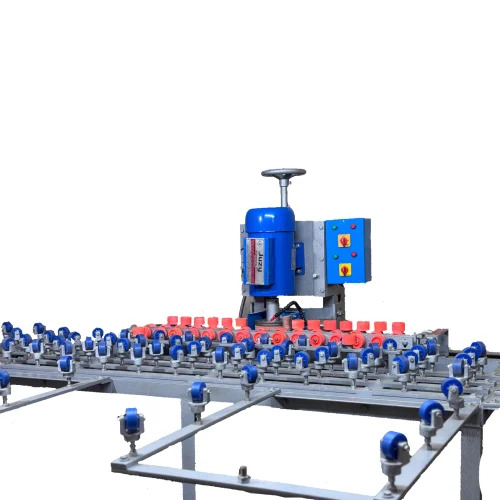
About Glass Edge Polish Machine
Glass Beveling Machine Front and Back Pads are important machine components used in glass beveling, edging, and double edging machines to support and transport glass sheets smoothly during the grinding and polishing process. These pads are installed on the front and rear conveyor chains of the machine to hold the glass securely and ensure stable movement through the grinding wheels.
The pads are typically made from high-quality rubber, reinforced steel plates, or hardened alloy materials, providing strong grip, wear resistance, and long service life in continuous glass processing operations.
Key Features
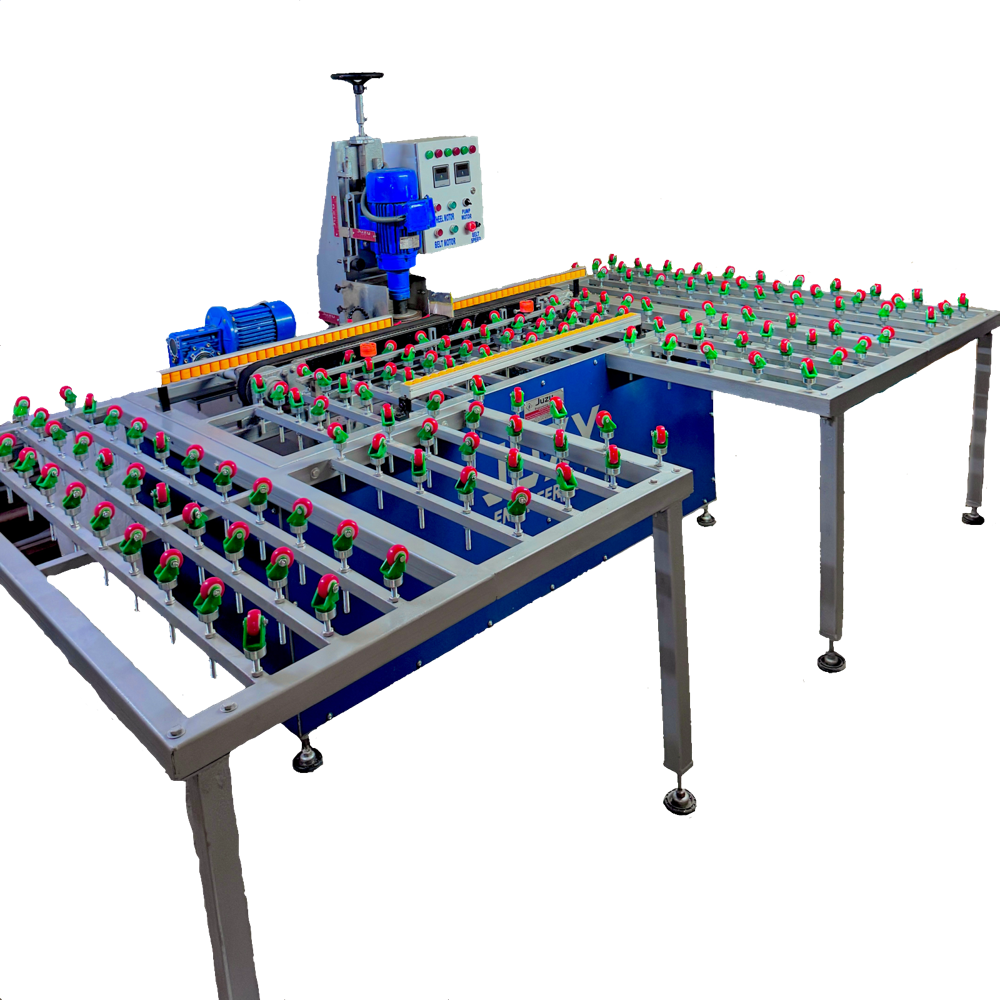
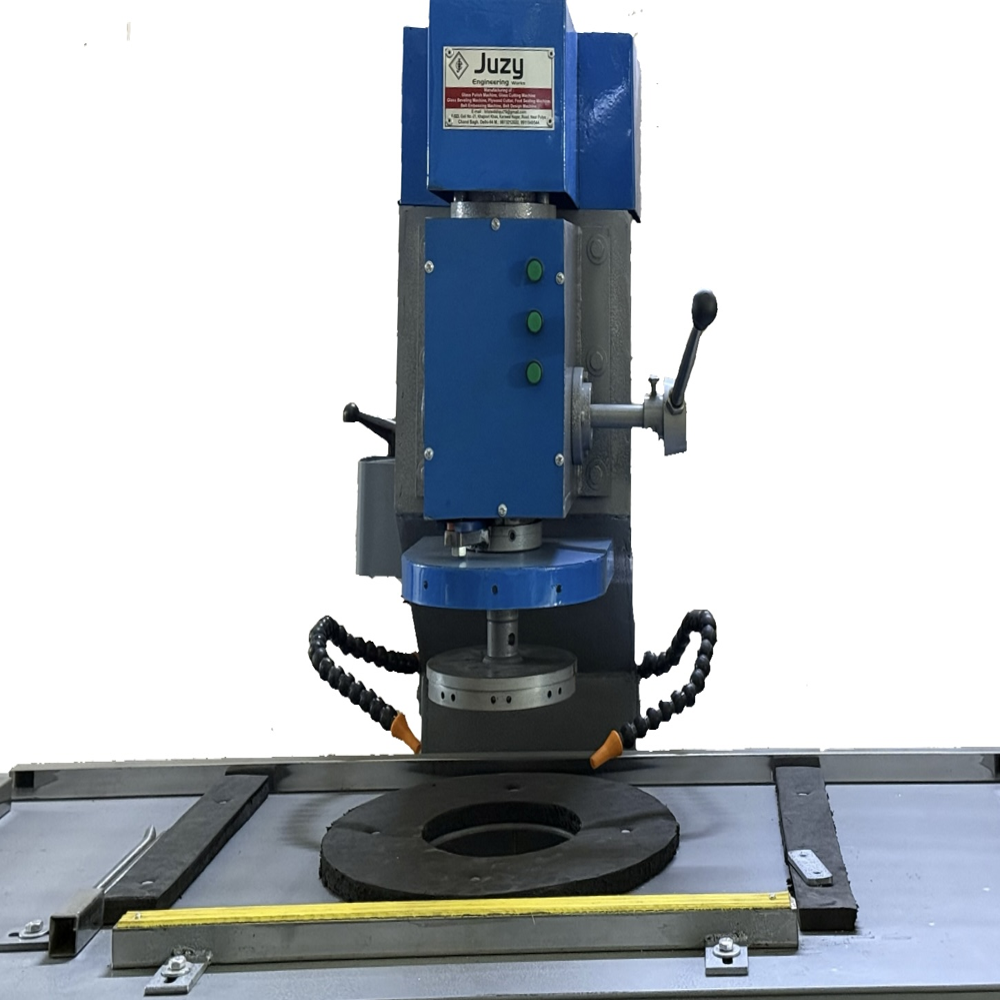
Precision in Glass Edge ProcessingWith its nine spindle configuration, this machine achieves uniform grinding and polishing of glass edges. Its capability to handle both flat and arris edge types, matched with diamond and resin wheels, ensures a premium polished finish every time. Reliable motor performance and stepless speed control adapt to diverse project needs, streamlining operations for glass fabricators.
User-Friendly Operations with Enhanced SafetyThe machine's push-button control panel simplifies operation, making process adjustments quick and straightforward. Centralized automatic lubrication maintains optimum spindle performance and reduces maintenance. Water circulation cooling prevents overheating, ensuring worker safety and consistent edge quality even during prolonged use.
Built for Industrial ApplicationsManufactured with durable mild steel and stainless steel, this floor-mounted glass edge polish machine withstands rigorous demands. Its adaptability for handling glass of varying thicknesses and adjustable speeds makes it suitable for dynamic glass processing environments, guaranteeing reliability in fabrication workshops and large-scale glass plants.
FAQ's of Glass Edge Polish Machine:
Q: How does the Glass Edge Polish Machine manage varying glass thicknesses during edge processing?
A: The machine supports glass thicknesses from 3 to 12 millimeters, with adjustable settings to ensure consistent edge quality across different glass panels. Stepless speed adjustment further refines the process for specific thickness and edge requirements.
Q: What are the application areas for this Glass Edge Polish Machine?
A: It is ideal for glass processing plants and fabrication workshops, excelling in edge grinding, polishing, and beveling for flat glass used in windows, doors, and decorative panels.
Q: When is it necessary to perform maintenance on the machine?
A: Routine maintenance is simplified by the centralized automatic lubrication system, which reduces manual upkeep intervals. However, operators should periodically inspect grinding wheels and water circulation components for best results.
Q: Where should the machine be installed for optimal use?
A: Designed as a floor-mounted unit, the machine should be installed in a spacious area within a fabrication workshop or glass plant to ensure proper ventilation, accessibility, and safe operation.
Q: What is the process for achieving a polished edge finish?
A: The machine uses a series of diamond and resin wheels along its nine spindles, combined with water-cooling, to grind and polish flat glass edges. Operators set the appropriate speed and glass thickness parameters, then process the glass for a smooth, polished finish.
Q: How does the water circulation cooling system enhance the machine's performance?
A: The water circulation system actively cools the working area, preventing heat build-up during prolonged grinding and polishing. This not only extends the lifespan of the machine's components but also ensures consistently high-quality edge finishes.
Q: What are the benefits of using this machine in industrial glass applications?
A: Operators benefit from efficient, high-speed edge processing, reduced manual intervention due to automatic lubrication, user-friendly controls, and a quiet operation at 75 dB. The result is increased productivity and precise glass edge finishes, supporting high standards in industrial applications.

 Send Inquiry



 Send Inquiry

 Send Inquiry
 English
 Spanish
 French
 German
 Italian
 Chinese (Simplified)
 Japanese
 Korean
 Arabic
 Portuguese